THE EFFECTS OF TEENAGE PREGNANCY
Teenage pregnancy is a pervasive phenomenon that affects the lives of young people and has significant consequences for both the adolescent mother and her child. This issue has continued to be a significant concern for policymakers, healthcare practitioners, and society as a whole.
One of the primary effects of teenage pregnancy is the increase in risk for health complications for both the mother and child. Adolescent mothers are at a higher risk of experiencing complications during pregnancy and childbirth, such as preterm delivery, low birth weight, and preeclampsia. Additionally, these young mothers are less likely to receive proper prenatal care and may suffer from malnutrition, leading to an increased risk of infant mortality.
Furthermore, teenage mothers are at risk of experiencing social and economic challenges that can range from limited educational opportunities, low-paying jobs, and a higher likelihood of living in poverty. These factors often perpetuate a vicious cycle of poverty that can have long-term effects on both the mother and child’s future prospects.
Teenage mothers are also often stigmatized and face social isolation. They may be forced to drop out of school, leading to reduced educational opportunities and income. This can negatively affect the mother’s self-esteem and increase the risk of mental health disorders such as depression and anxiety.
Furthermore, children born to teenage mothers are at risk of experiencing health, social, and academic difficulties. These children may have difficulty forming bonds and attachments with their mothers, which can lead to behavioral problems, poor academic performance, and emotional challenges.
Teenage pregnancy is a significant challenge that requires multi-faceted approaches to address. Prevention efforts must focus on educating young people about safe sex practices, reproductive health, and the importance of contraception. Additionally, support programs that aim to help young mothers receive proper prenatal care and education, as well as postnatal support, can help reduce the significant health and social consequences of teenage pregnancy.
In conclusion, teenage pregnancy is a complex issue with wide-ranging effects on both the adolescent mother and her child. Addressing this problem requires a multi-faceted approach that includes education, prevention, and support programs. It is essential to provide young people with the necessary education and resources to make informed decisions about their reproductive health, ensuring that they have the opportunities to reach their full potential, both as individuals and members of society.
CAUSES OF POOR READING SKILLS IN SCHOOLS.
Poor reading skills in schools can be attributed to a variety of factors, ranging from environmental influences to individual issues. Understanding the causes of poor reading can help educators and policymakers implement targeted interventions to improve literacy rates among students. Here are some key factors that contribute to this issue:
1. Limited access to books and resources: In many cases, students from low-income backgrounds lack access to age-appropriate reading materials, including books and digital resources. This lack of access hampers their reading development and limits their exposure to diverse literary experiences.
2. Insufficient reading instruction: In some instances, students receive inadequate instruction in reading skills. Teachers not trained in evidence-based reading instruction may struggle to effectively teach decoding, fluency, and comprehension strategies, leading to students falling behind their peers.
3. Language barriers: For students whose first language is not the language of instruction in school, language barriers can impede their reading progress. These students may struggle to acquire vocabulary and grasp complex grammatical structures, making it challenging to comprehend written texts.
4. Learning disabilities and learning differences: Some students may have specific learning disabilities, such as dyslexia or auditory processing disorder, which can hinder their reading abilities. Learning differences, including attention-deficit/hyperactivity disorder (ADHD) or autism spectrum disorder (ASD), can also impact a student’s reading skills.
5. Lack of parental involvement: Parental involvement and support in a child’s reading journey are crucial. However, in some cases, parents may not prioritize or possess the necessary resources to support their child’s reading development, leading to slower progress.
6. Limited exposure to reading outside of school: If students do not engage in reading activities beyond the classroom, their reading skills may suffer. A lack of a reading culture at home, minimal access to libraries or community reading programs, and limited parental encouragement can contribute to poor reading skills.
7. Negative attitudes towards reading: Some students may develop negative attitudes towards reading due to past experiences, such as a sense of failure or fear of judgment. These negative attitudes can hinder their motivation to engage with reading materials and impede their progress.
Addressing poor reading skills requires a multi-faceted approach. This includes providing equitable access to reading materials, implementing evidence-based reading instruction, offering support for students with learning disabilities or differences, promoting parental involvement, and fostering a positive reading culture both inside and outside of schools. By addressing these underlying causes, educators can help students develop strong reading abilities that empower them throughout their academic journey and beyond.
EFFECTS OF GALAMSEY
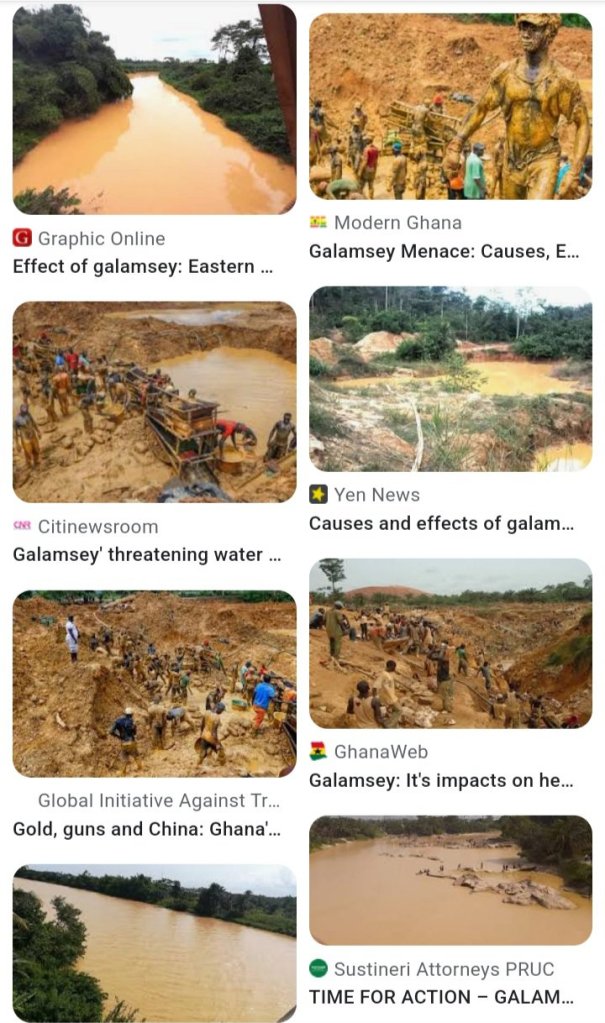
Galamsey, also known as illegal small-scale mining, has been a hot topic in Ghana for years. This practice involves the use of heavy machinery to extract precious minerals such as gold and diamond from the land, without following the proper mining regulations. The negative effects of galamsey on the environment, economy, and social structures of Ghana are numerous and severe.
Environmental effects:
One of the most devastating effects of galamsey mining is deforestation. The uncontrolled cutting down of trees in the pursuit of mining areas not only causes a massive loss to the forest cover but also contributes to the depletion of oxygen-producing agents. The chemicals used in the mining process like cyanide lead to soil and water pollution, making the land barren for future use and causing harm to aquatic life. The occurrence of landslides and soil erosion is also common, making the land unsuitable for farming.
Economic effects:
The reality is that most of these illegal miners are not registered, which means they are not paying any taxes to the government. The mining sector of Ghana is responsible for about 5% of the country’s GDP, so when Galamsey takes over, it becomes a financial burden to the government. In addition, due to the health and environmental implications of Galamsey, the tourism sector is most affected too. Many tourists prefer an eco-friendly destination, which Ghana can’t provide due to Galamsey mining.
Social effects:
One of the most entrenching and long-term social effects of Galamsey mining is its impact on the health of the community. The heavy metals used in the mining process are toxic to humans, leading to respiratory problems, skin diseases, and other life-threatening illnesses. The influx of workers to mining communities often leads to increased crime rates, drug abuse, and prostitution, destabilizing the social fabric and creating an unsafe environment.
Conclusion:
In conclusion, it’s no longer news that Galamsey has a catastrophic impact on the environment, economy, and social structure of Ghana. The country’s government must, therefore, put in place stringent regulations and enforcement mechanisms to curb illegal mining while creating an environment for profitable and sustainable mining. The health, well-being, and survival of Ghana’s depend on How well the government can tackle the spread of Galamsey.
 Essiam Catholic Basic School "B"